AI models are known to hallucinate. They make things up. When a model doesn’t know something, it doesn’t say so. It guesses, fluently and confidently. Treat every AI-generated fact, name, statistic and quote as a tip that requires independent verification.
What AI will fabricate:
Why local coverage is high-risk:
What that looks like in practice:
The biggest lever against hallucinations: control the context. Direct AI to primary sources — documents, news articles, a specific website — and ask it to work off that.
NotebookLM lets you upload your own source documents — PDFs, articles, transcripts, RTK responses — and then ask questions only against that material. The AI is grounded in what you gave it, not the open internet.
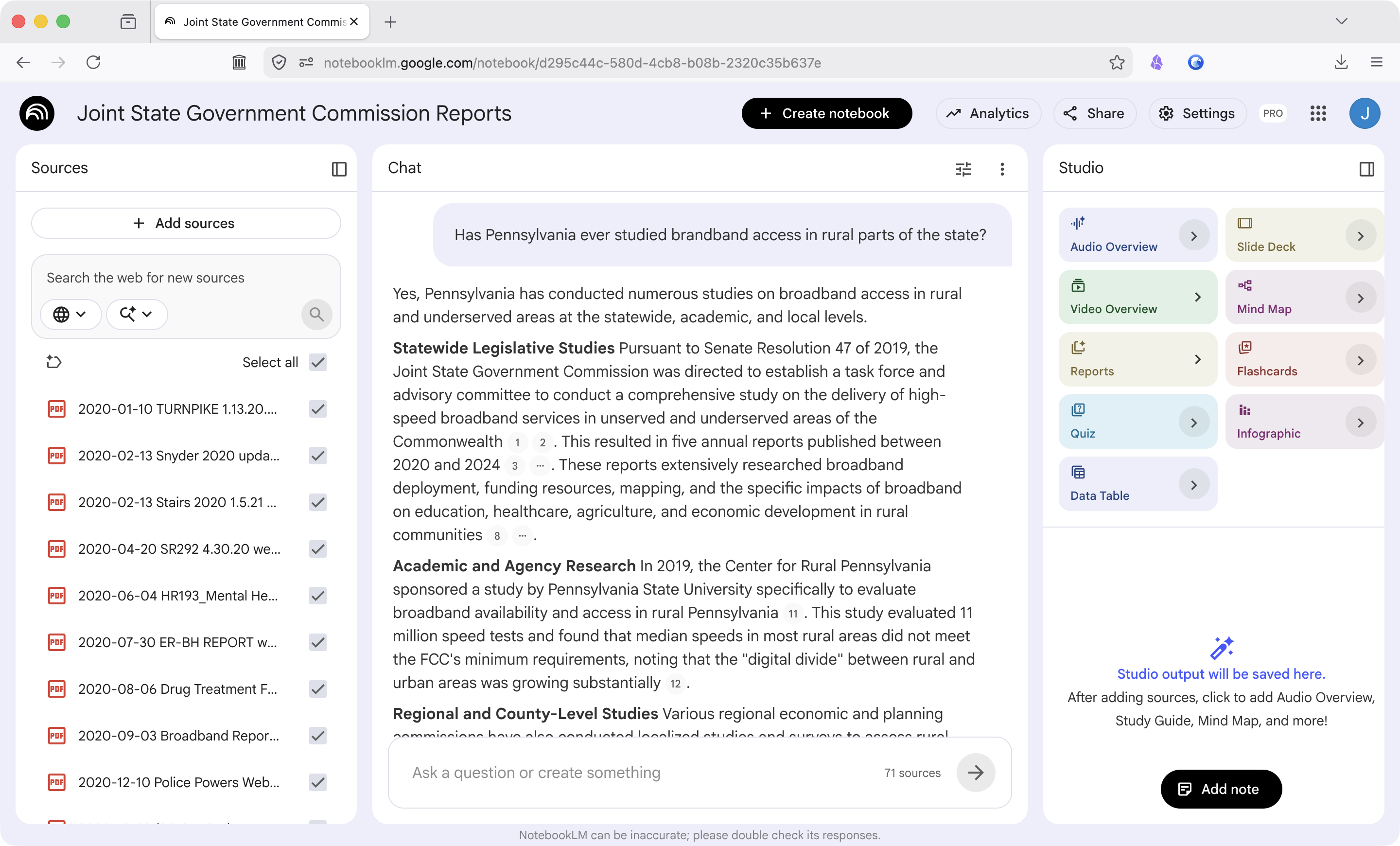
If you’re casting a wide net, be specific in your queries. A vague prompt invites a vague answer. Specificity constrains the model and makes outputs easier to verify.
A strong prompt includes:
Example:
“Summarize what is publicly known about water quality violations in Bucks County, Pennsylvania since 2020. Focus on any EPA enforcement actions or state DEP reports. List the key facts with dates, and provide links to primary source documents I can verify.”
When you type into ChatGPT, Claude, Grok, or any commercial AI chatbot, that input doesn’t disappear. It travels to a server, gets logged and in many cases is used to improve the model.
Ask yourself this: Is this information that, if it were to become public, would land you in trouble?
Information that’s already public is fair game. Anything else requires discretion.
This topic deserves its own session — but here’s the baseline question:
Would your readers be comfortable knowing how you used AI on this story?
Lean on the side of disclosure. Readers are increasingly aware of AI — and skeptical. Unexplained AI use erodes trust.
01 — Accuracy First AI hallucinates. Every AI-generated fact must be verified by a journalist before publication. Treat AI output as a tip, not copy. No exceptions.
02 — Transparency Disclose AI use to readers. Audiences have a right to know when and how AI contributed to a story.
03 — Human Accountability The byline is yours. Only put your name on something you can stand behind — in front of your editor, your readers or in a court of law.
04 — Bias Awareness AI models carry biases from their training data. Interrogate AI outputs for systemic bias, especially on race, gender, and politics (looking at you Grok).
05 — Source and Data Protection Never input confidential source information into AI tools. Most commercial AI services retain input data. We have a duty to protect our sources.
Reference: SPJ Code of Ethics • Reuters AI Journalism Principles • The Guardian AI Editorial Standards
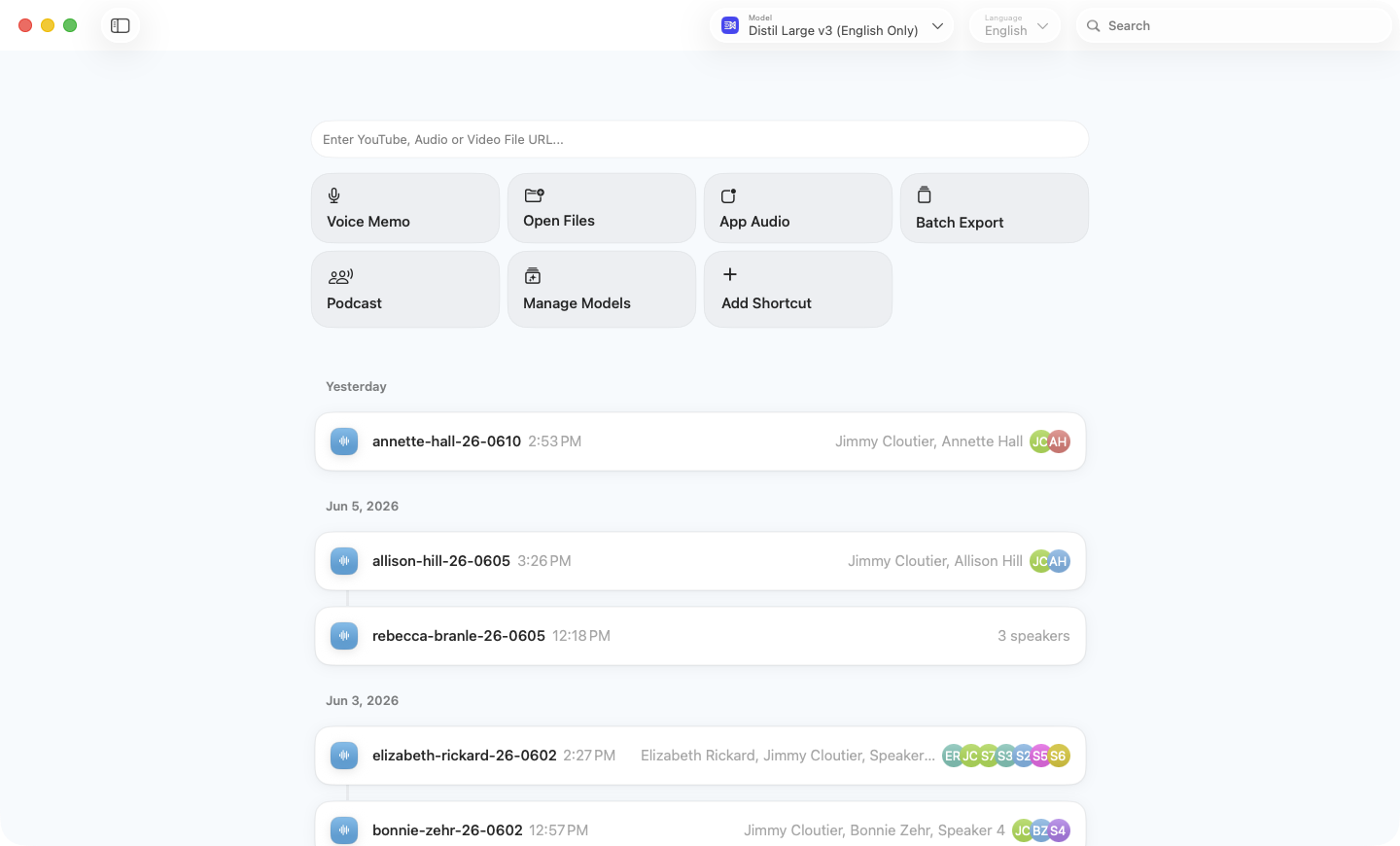
AI transcription tools handle interviews, press conferences, and video recordings accurately and in minutes.
Tools like MacWhisper run on your local device, meaning they can be used to transcribe sensitive interviews.
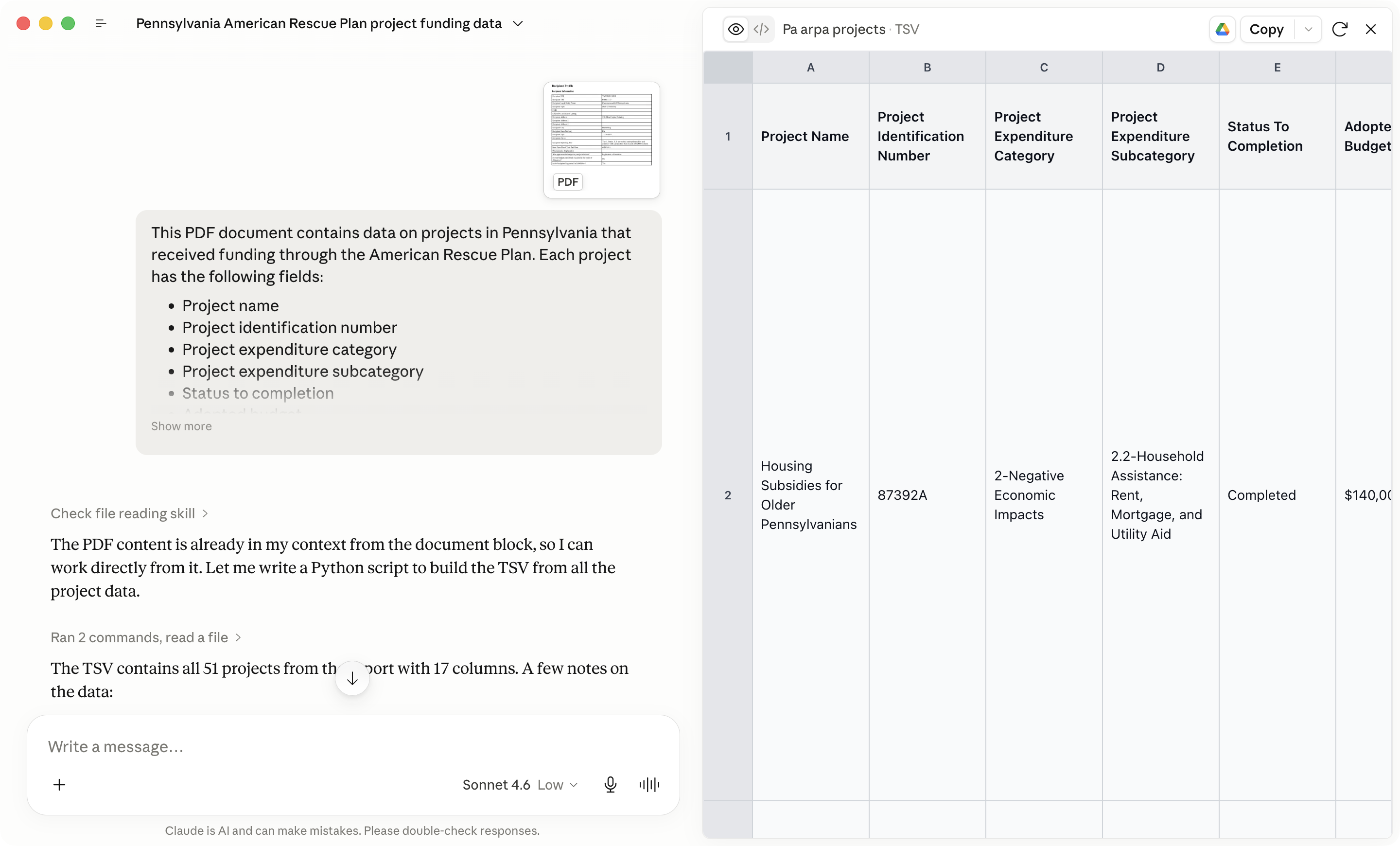
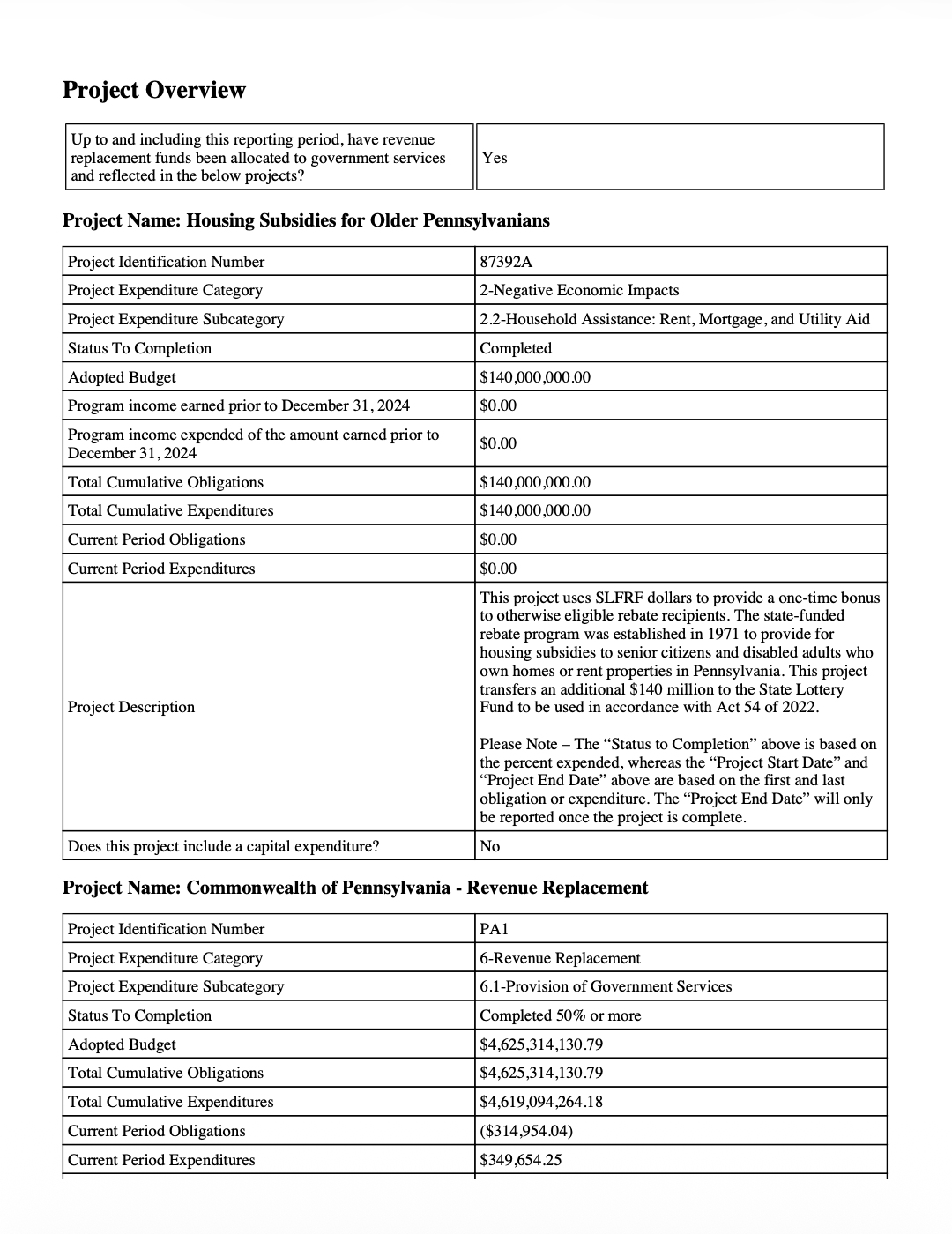
AI understand document structure and context — not just characters on a page — making them far more effective than traditional OCR on messy government records.

With a little knowledge about HTML, you can use AI to extract data from webpages — no scraper needed.
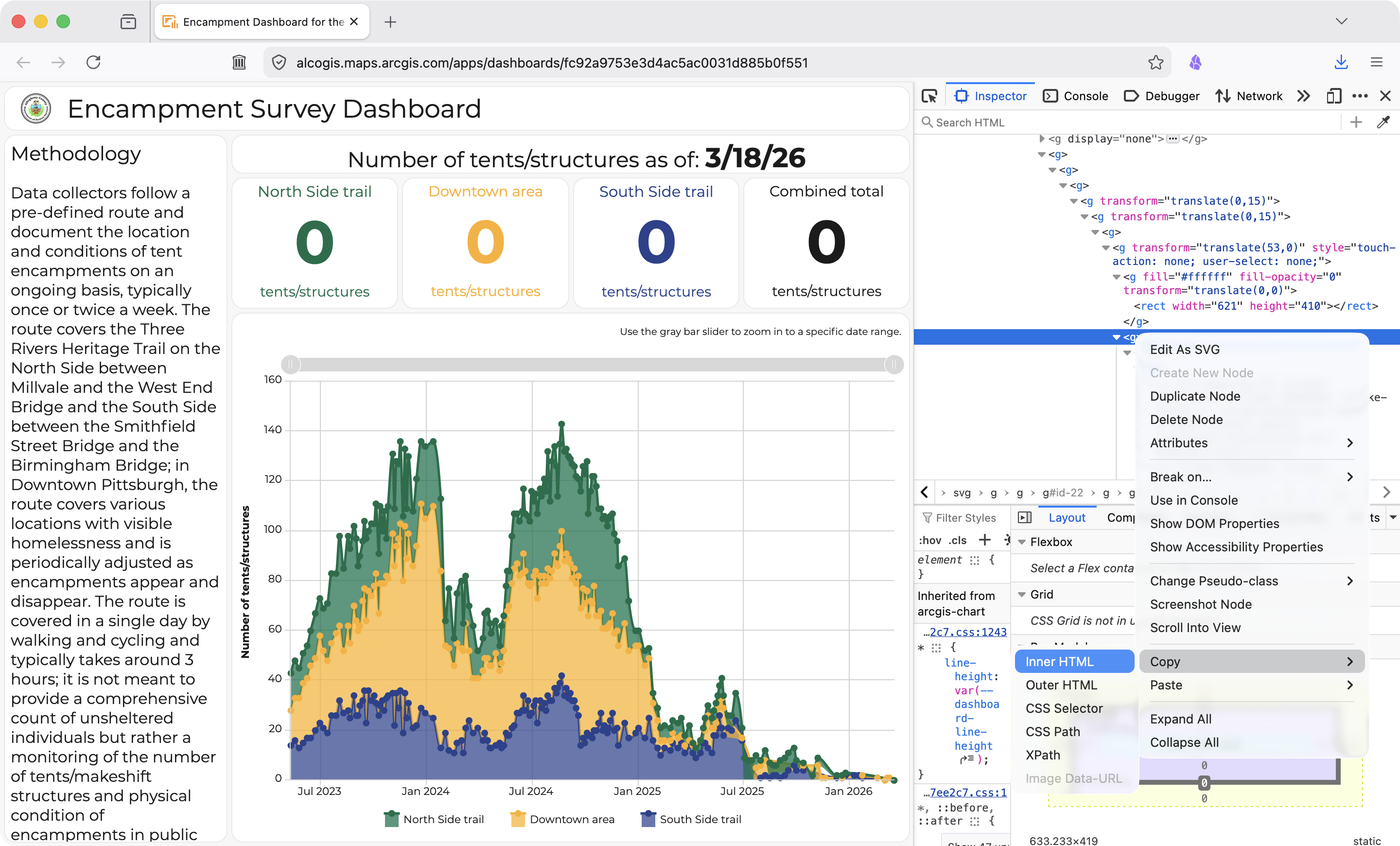

AI can help surface records requests. Know what’s already been requested and use successful requests to help craft your own.

AI can quickly synthesize existing coverage on a topic — surfacing prior investigations and flagging angles that haven’t been pursued.
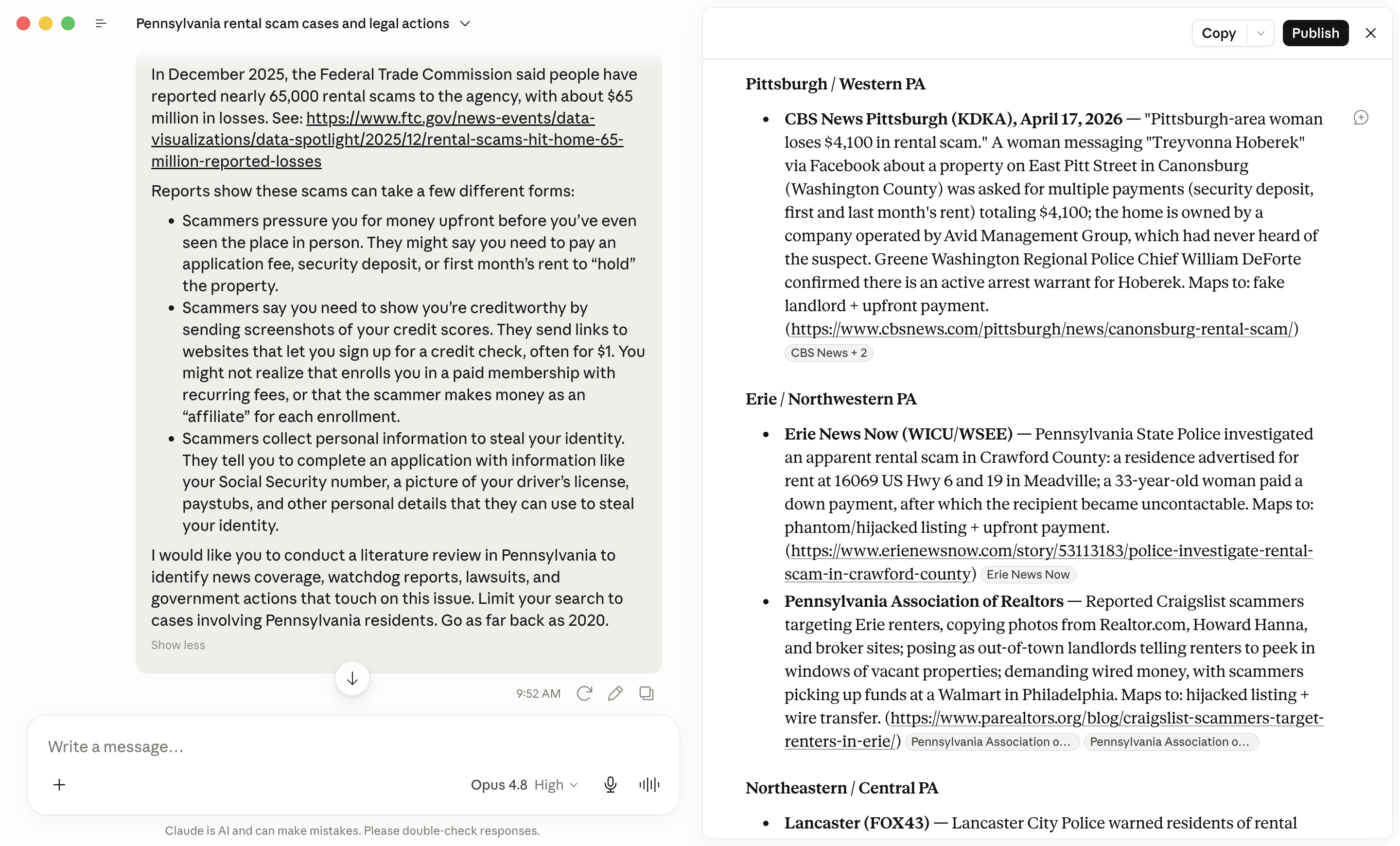
The Times built an AI tool to research 10,000 people registered for a Puerto Rico tax break — automatically searching names, flagging people of interest, and surfacing the investigation that followed. The tool later grew into “Cheatsheet,” used to analyze thousands of media appearances and track extremist content at scale.


Produced by humans with assistance from Claude.